SureCare AI

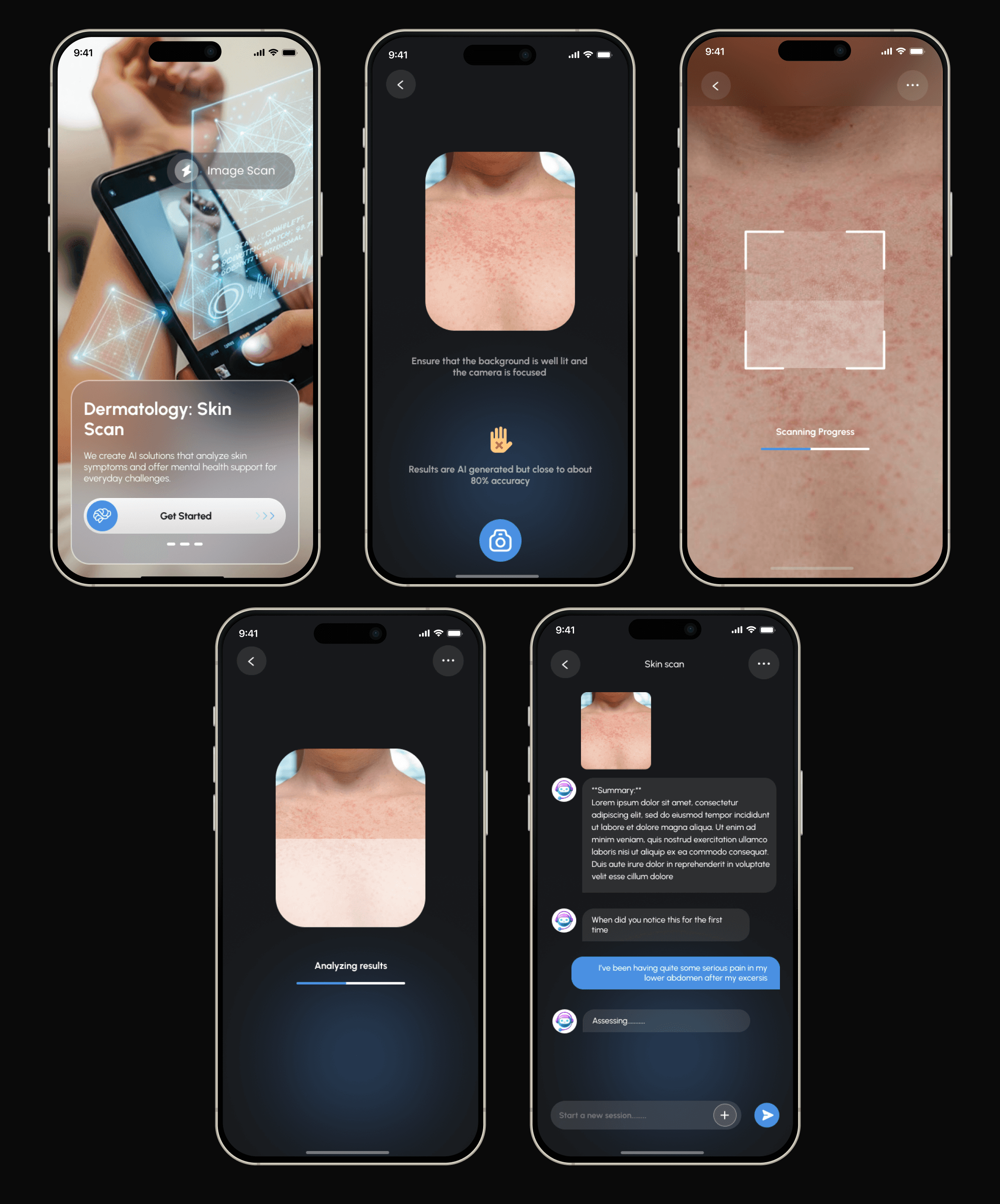
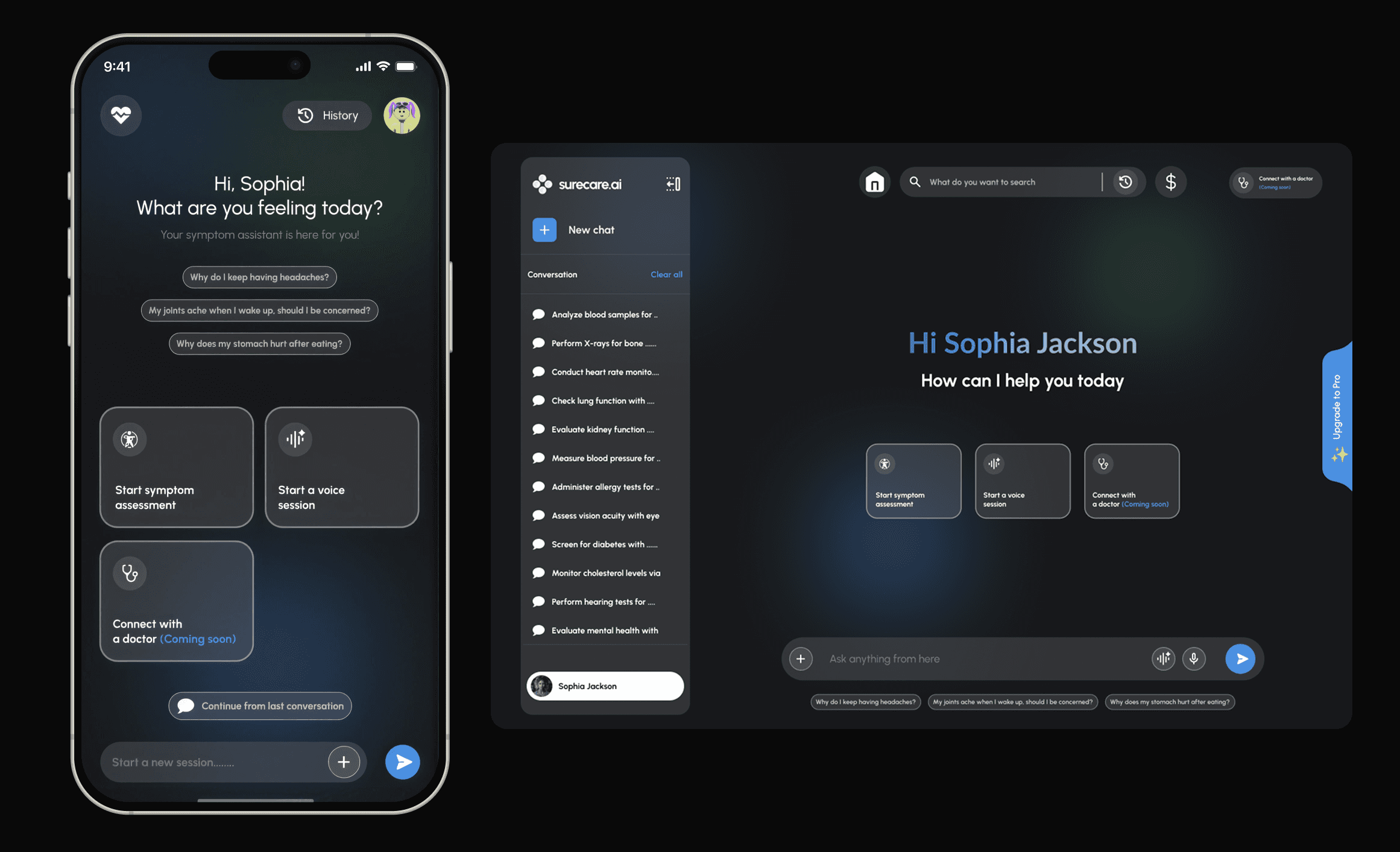
SureCare AI is a US telemedicine product that assesses symptoms through conversation before connecting anyone to a doctor. A patient describes how they feel, and the system asks follow-up questions shaped by input from practising physicians, questions aimed at the signals that separate serious from routine.
For minor issues it gives direct practical guidance and closes the loop without a referral. For anything more serious it connects the patient instantly to a registered doctor near them and sends that doctor a structured clinical note in SOAP format. An emergency number sits available to tap at any point in the conversation. It triages and routes; it does not diagnose.
The Problem
The patient is the least reliable narrator of their own emergency.
Symptom checkers are usually designed as extraction problems: get the symptoms out of the person, match them against a model, return a result. That framing assumes the person knows roughly how worried to be.
Speaking to practising doctors during design produced the opposite picture. People routinely describe serious conditions in mild language, not because they are downplaying anything, but because they cannot feel the difference. Severity is precisely the thing a patient is least equipped to report.
A scorpion sting is the clearest version of it. The person is calm. The calm is a symptom. Anything that takes the presentation at face value gets this exactly backwards.
So the design question was never “how do we understand what they said?” It was “how do we catch what they can't tell us?”
MINOR
What we thought it was
Most cases need guidance, not a doctor. Escalating everyone is its own kind of failure.
A triage product that routes every case to a physician has not triaged anything. It has added a step. For minor presentations the system gives direct, practical guidance, hydration, rest, what to do, what to watch for, and closes the loop without a referral.
The tone problem here is harder than it looks. Reassurance has to land without dismissal, because a person who feels brushed off either stops trusting the product or stops using it, and both outcomes are worse than an unnecessary referral.
UNCLEAR
When it's unclear
Clinicians taught the system to look past how the patient framed it.
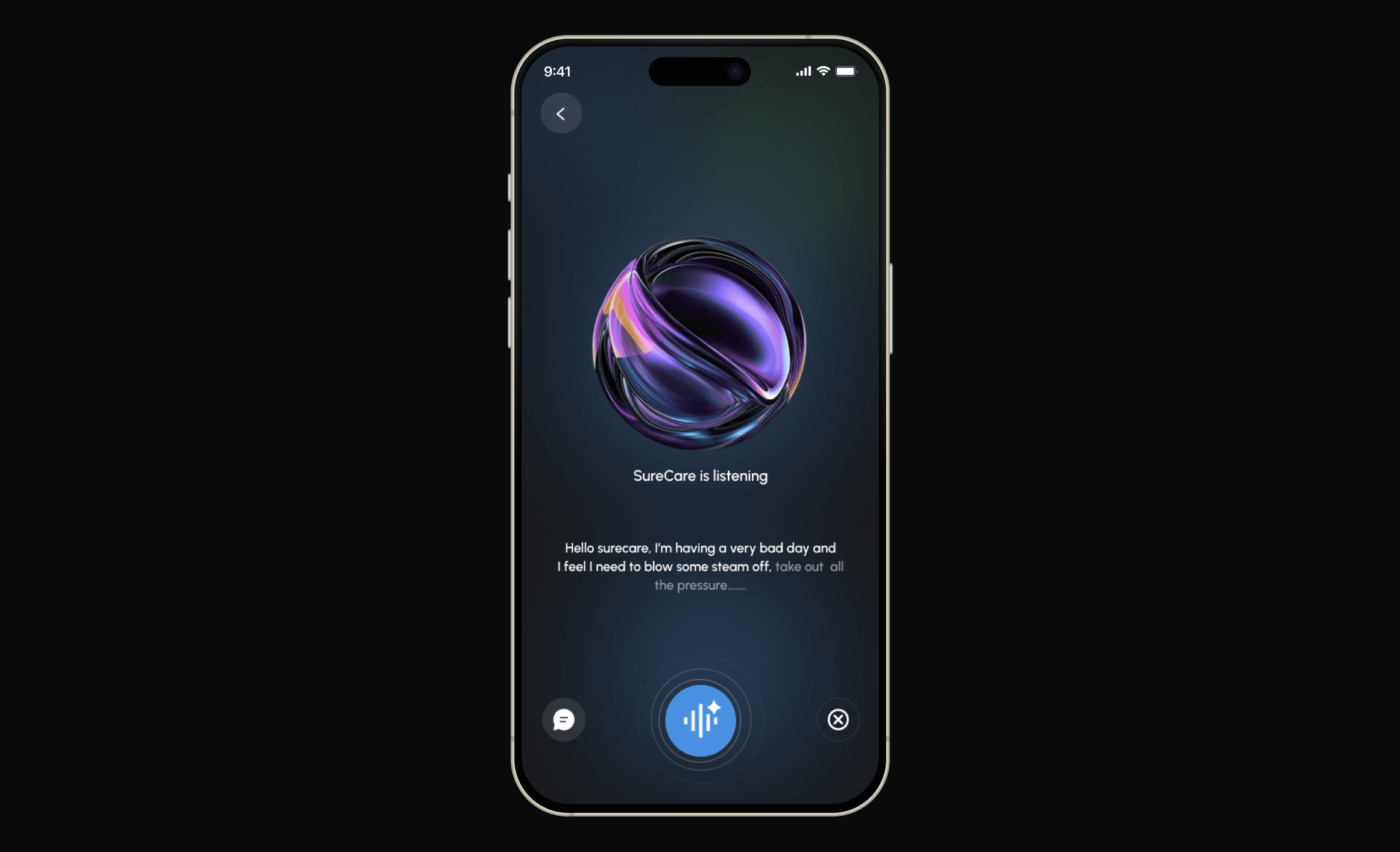
This is where most real cases sit, and where a conversational AI is most tempted to sound confident. The design response is questioning, the system keeps asking until it has enough to place the case on the ladder.
The constraint is that questioning has a cost. Ask too few and severity gets missed. Ask too many and an unwell person abandons the conversation. The doctors' input shaped what to ask rather than how much: questions aimed at the signals that distinguish serious from routine, not a general widening of the net.
DOCTOR
When it needs a doctor
The handoff is a SOAP note, because that is what a doctor already reads.
When a case escalates, the patient is connected instantly to a registered doctor near them, and the doctor receives a structured clinical note in SOAP format rather than a chat transcript.
That choice is the most consequential one in the product. A transcript asks a physician to do the extraction work themselves, in the format of a stranger's conversation. A SOAP note arrives in the structure they document in every day. The AI's output slots into existing clinical workflow instead of asking a professional to adapt to a new artifact.
The patient can see the note too, which is the right instinct on transparency and creates a real design problem: SOAP is written for clinicians.
One artifact, two readers
A clinician reads a SOAP note fluently. A patient reads clinical shorthand about their own body, which is either reassuring or frightening depending on wording they have no context for. Showing the same artifact to both is honest, but it needs a design answer.
URGENT
When it needs a doctor
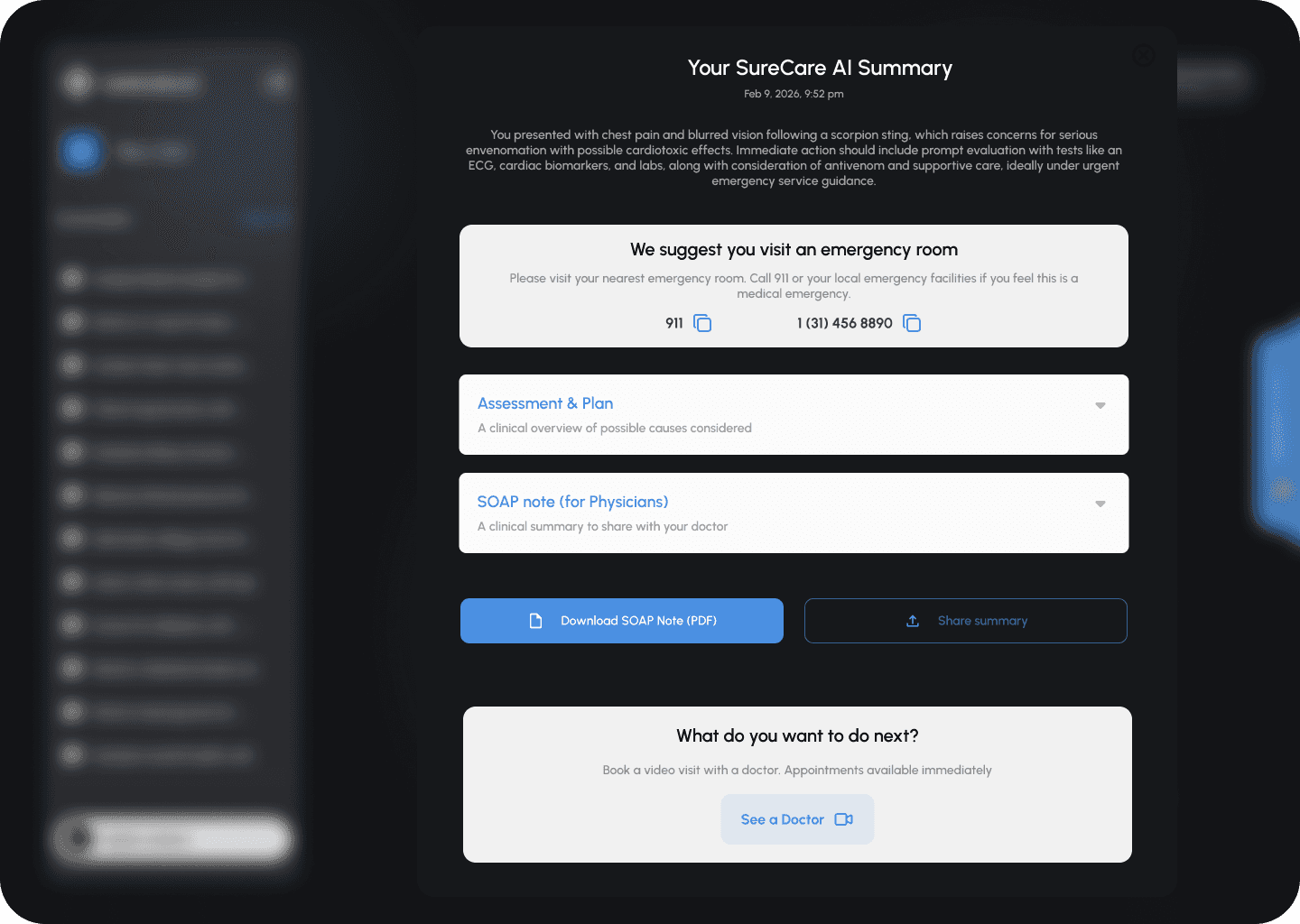
The product stops being a conversation and becomes a button.
Every rung below this one is a dialogue. This one isn't. An emergency number sits available to tap immediately, and the interaction collapses from assessment to a single action.
The reasoning goes back to the scorpion sting. If the person presenting most calmly can be the one in most danger, the escape hatch cannot be buried at the end of a questioning sequence. It has to be reachable at any point, including by someone who does not yet believe they need it.
Before the ladder: what the system already knows
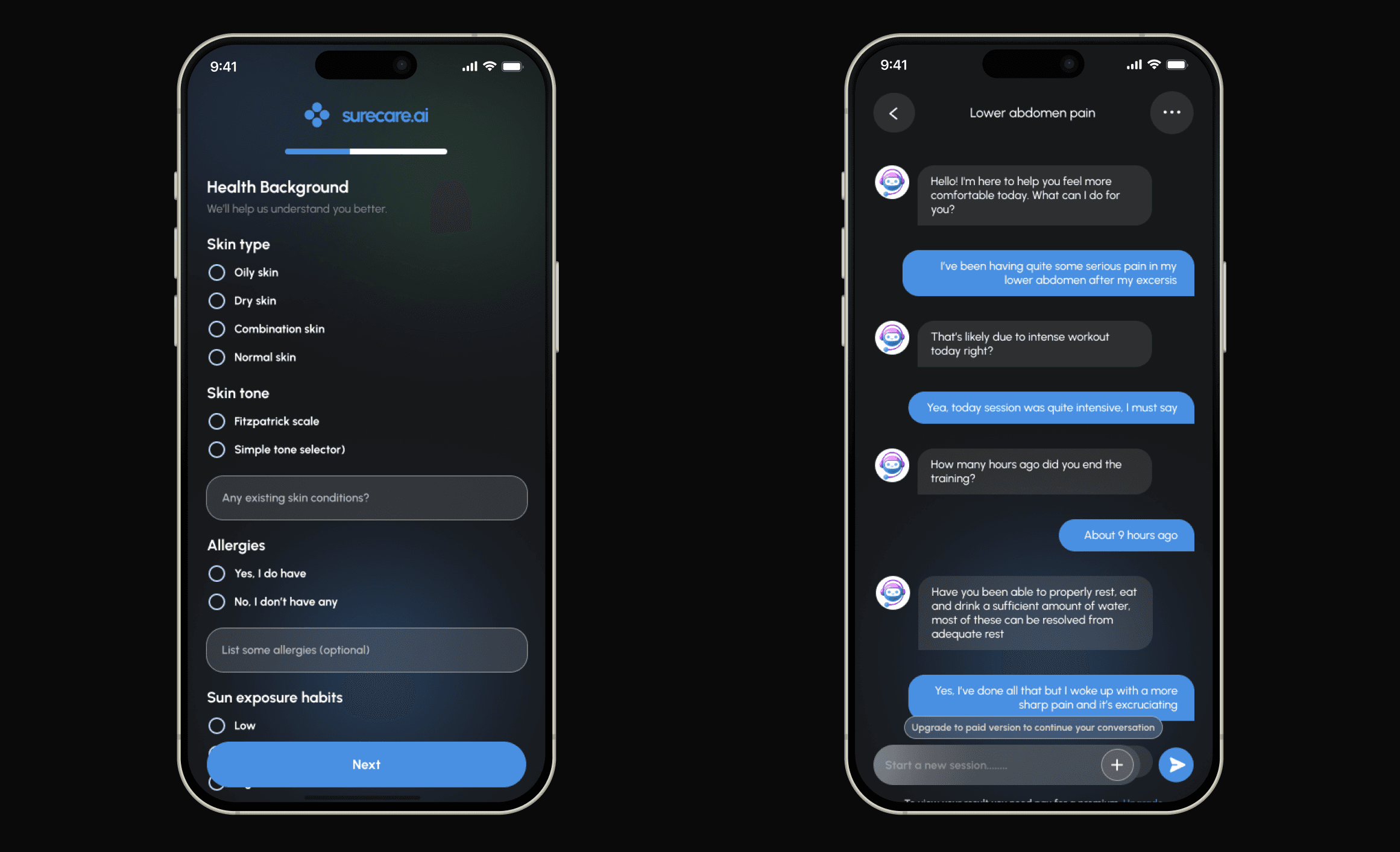
Onboarding is not setup. It is the baseline the AI reasons against.
Welcome and consent, health background, allergies, current wellbeing, and health records, collected before the first symptom conversation. Framed as data capture it is a chore. Framed correctly it is what lets the system tell an unremarkable symptom from an unremarkable symptom in this person, which is most of what severity detection actually is.